GLOW (BPC-157, TB-500, GHK-Cu)
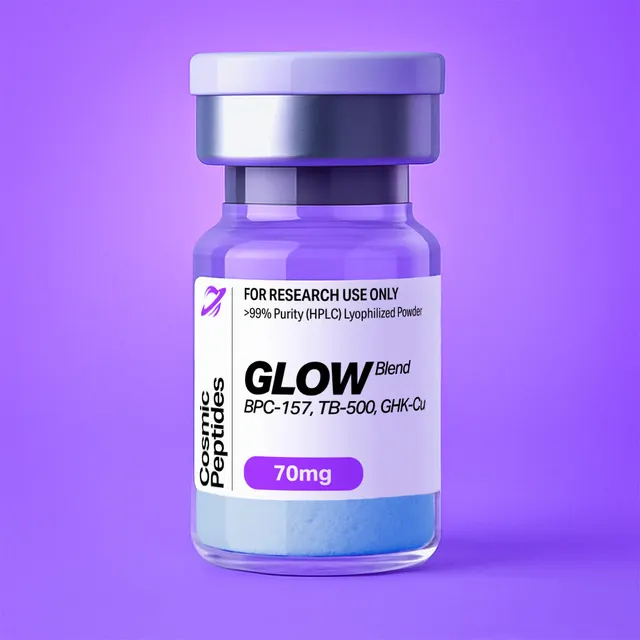
GLOW (BPC-157, TB-500, GHK-Cu)
Commonly researched with these items
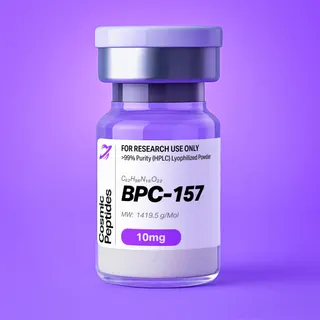
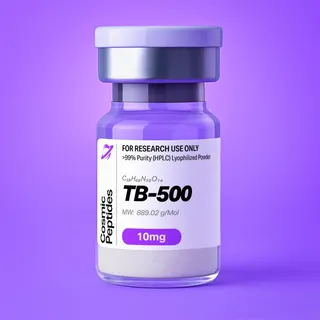
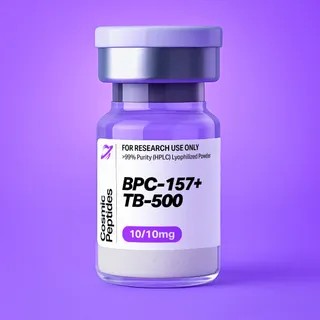
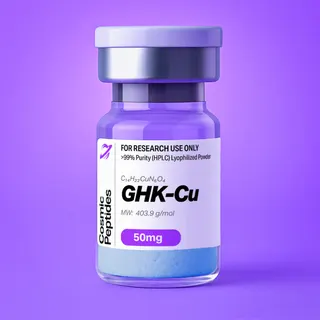
Patent-pending lot tracking: Complete transparency from production to vial.
| Purity | 99.8% |
|---|---|
| Lot Number | 25051 |
| Quantity | 50/10/10mg |
GLOW (BPC-157, TB-500, GHK-Cu): A Defined Blend of a Proline-Rich Pentadecapeptide, an Actin-Binding Heptapeptide and a Copper(II)–Tripeptide Complex
Disclaimer
Products described here are supplied for research use only and are not intended for diagnostic, therapeutic, or clinical application. All statements regarding biological activity reflect preclinical and in vitro findings exclusively and have not been evaluated by the U.S. Food and Drug Administration. These materials and related content are provided for educational and investigational purposes only and are intended solely for qualified researchers in laboratory and academic settings.
Key Facts
- Compound class
- Defined mixture of three synthetic peptides: a linear pentadecapeptide (BPC-157), an N-acetylated heptapeptide matching residues 17–23 of thymosin β4 (TB-500), and the 1:1 copper(II) complex of glycyl-L-histidyl-L-lysine (GHK-Cu)
- Nominal composition
- GHK-Cu 50 mg, BPC-157 10 mg, TB-500 10 mg in the 70 mg format (mass ratio 5 : 1 : 1)
- Sequence / structure
- BPC-157
H-GEPPPGKPADDAGLV-OH; TB-500Ac-LKKTETQ-OH; GHK-CuH-Gly-His-Lys-OHcoordinated to Cu(II) - Molecular formula
- None for the blend. BPC-157 C62H98N16O22; TB-500 C38H68N10O14; GHK-Cu C14H23CuN6O4+
- Molecular weight
- None for the blend. BPC-157 1419.5 g/mol; TB-500 889.0 g/mol; GHK-Cu 402.92 g/mol (cation, without counterion)
- CAS number
- None for the blend. BPC-157 137525-51-0; TB-500 885340-08-9; GHK-Cu 89030-95-5 (GHK 49557-75-7)
- PubChem CIDs
- BPC-157 9941957; TB-500 62707662; GHK-Cu 71587328; GHK 73587
- Physical form as supplied
- Lyophilized powder
- Lot traceability
- Every unit is tied to a tracked lot; the lot number, recorded purity and verified quantity of the lot on sale are shown live on this page, with its certificate of analysis.
Molecular Identity and Classification
GLOW is not a single molecule but a fixed-ratio mixture of three chemically unrelated peptides, each also studied on its own: BPC-157, TB-500 and GHK-Cu. Nothing in the blend is covalently linked, so the mixture has no formula, molecular weight or CAS number of its own; its defining property is its nominal composition, 50 mg GHK-Cu, 10 mg BPC-157 and 10 mg TB-500.
BPC-157 is the fifteen-residue peptide H-Gly-Glu-Pro-Pro-Pro-Gly-Lys-Pro-Ala-Asp-Asp-Ala-Gly-Leu-Val-OH (CAS 137525-51-0, PubChem CID 9941957), C62H98N16O22, average molecular weight 1419.5 g/mol, monoisotopic mass 1418.7042 Da. The name abbreviates "body protection compound": the sequence was described as a partial sequence of a larger protein isolated from gastric juice.
TB-500, as defined for this product and for the shop's stand-alone TB-500, is the N-acetylated heptapeptide Ac-Leu-Lys-Lys-Thr-Glu-Thr-Gln-OH (CAS 885340-08-9, PubChem CID 62707662), C38H68N10O14, 889.0 g/mol, monoisotopic mass 888.4916 Da. It reproduces residues 17–23 of thymosin β4 (Tβ4), the 43-residue acetylated actin-monomer-binding polypeptide (C212H350N56O78S, about 4963 g/mol, PubChem CID 16132341). "TB-500" has been used loosely for both; mass spectrometry tells them apart at once.
GHK-Cu is the copper(II) complex of glycyl-L-histidyl-L-lysine (GHK; C14H24N6O4, 340.38 g/mol, CID 73587). PubChem records the 1:1 complex (CAS 89030-95-5, CID 71587328) as the cation C14H23CuN6O4+, 402.92 g/mol, monoisotopic mass 402.1077 Da. As a cation it always carries a counterion in the solid, commonly acetate or chloride, so its weighed formula weight is higher. GHK-Cu is five-sevenths of the blend by mass and the dominant component by moles.
Structure and Chemical Features
The components differ in size (about 400, 890 and 1420 g/mol), in net charge at pH 7 (positive, neutral, negative) and in kind: a proline-rich acidic peptide, a lysine-rich capped protein fragment and a transition-metal complex. Those differences separate them cleanly by mass and chromatography, and they make the copper centre of GHK-Cu the only reactive metal in the mixture.
BPC-157: A Proline-Rich, Acidic Pentadecapeptide
Four of the fifteen residues are proline (positions 3, 4, 5 and 8), three in a consecutive Pro-Pro-Pro run. Each X–Pro bond is a tertiary amide with no amide hydrogen, the pyrrolidine ring fixes φ near −65°, and proline runs favour the extended polyproline II conformation; a peptide of this length and composition is expected to be conformationally heterogeneous in water, without a stable fold. Because X–Pro bonds also populate the cis isomer, NMR spectra are expected to show slowly interconverting conformers, with doubled or broadened resonances near proline.
Its ionisable groups are the N-terminal amine and Lys7 (two positive), and Glu2, Asp10, Asp11 and the C-terminal carboxylate (four negative), for a net charge of about −2 at pH 7 and a calculated isoelectric point near 3.9. The only hydrophobic side chains (Leu, Val, two Ala) sit in the C-terminal segment. BPC-157 contains no aromatic residue, no histidine and none of the oxidation-prone residues methionine, cysteine or tryptophan.
TB-500: The LKKTETQ Motif of Thymosin β4
In Tβ4 (Ac-SDKPDMAEIEKFDKSKLKKTETQEKNPLPSKETIEQEKQAGES) the segment LKKTETQ is the conserved central motif of the β-thymosin/WH2 family of actin-binding sequences. Crystal structures of Tβ4 bound to monomeric actin show an N-terminal helix on the barbed face, a C-terminal helix on the pointed face, and the LKKTET region running between them across the monomer surface; free Tβ4 is intrinsically disordered and folds only on binding. TB-500 is that central motif in isolation, N-acetylated (as the parent protein is, though there on Ser1) and ending in a free acid on Gln23.
With the N-terminus capped, its charges at pH 7 are the two lysine ε-amines (+2) and the glutamate and C-terminal carboxylates (−2): net charge near zero, calculated isoelectric point about 7.4. Two threonines and a glutamine make it highly polar; leucine is its only hydrophobic residue, and it has no defined secondary structure in water.
GHK-Cu: Copper(II) Coordination Chemistry
GHK binds Cu(II) through three nitrogen donors from its Gly-His half: the glycine amine, the deprotonated Gly–His amide nitrogen and a histidine imidazole nitrogen. Amine and amide close a five-membered chelate ring; amide and imidazole a six-membered one. A peptide amide (pKa about 15) is deprotonated at neutral pH only because the Cu(II) ion, anchored first by the amine and imidazole, displaces the amide proton. The three nitrogens occupy three corners of the square plane typical of Cu(II); the fourth equatorial site is labile.
The 1.1 Å crystal structure of Perkins and colleagues (1984) and the re-examination by Hureau and colleagues (2011) show that in the solid the fourth site holds a carboxylate oxygen from a neighbouring complex, giving bridged, dimeric units. In solution, EPR, X-ray absorption and NMR indicate a monomer with the same three nitrogens and the fourth site open to water or to ligands such as glycine or histidine, which form ternary complexes. The lysine side chain is not a donor, yet Lau and Sarkar's potentiometric data showed that the ε-amino group raises the stability constants relative to Gly-His and Gly-His-Gly.
The affinity is high: isothermal titration calorimetry gave a conditional dissociation constant of 7.0 ± 1.0 × 10⁻¹⁴ M at pH 7.4, predominantly 1:1. The copper is nevertheless kinetically labile, exchanging quickly between GHK molecules, which Hureau and colleagues attributed to a transient [Cu(GHK)2] species, in contrast with the very slow exchange of the ATCUN peptide DAHK. The complex was inert to ascorbate and dioxygen at moderate potentials, being reduced to Cu(I), with release of the metal, only near −0.62 V versus Ag/AgCl. With the lysine ε-amine protonated, the complex carries a net charge of +1 at pH 7.
Synthesis and Manufacturing Chemistry
All three peptides are made by Fmoc solid-phase peptide synthesis (SPPS), building from the C-terminal residue anchored on an acid-labile resin (2-chlorotrityl or Wang for C-terminal acids). Each cycle removes Fmoc with piperidine and couples the next residue with a carbodiimide or uronium/phosphonium activator; acid-labile side-chain groups (Lys(Boc), Glu(OtBu), Asp(OtBu), Thr(tBu), Gln(Trt), His(Trt)) come off in the final trifluoroacetic acid (TFA) cleavage. Each component is purified separately by preparative reversed-phase HPLC and lyophilized before blending.
BPC-157 poses two classic problems. Coupling onto proline's secondary amine is slow, and the sequence needs four such couplings, three in a row, so double couplings or stronger activators are common. The Asp-Asp-Ala segment is prone to aspartimide formation, base-catalysed cyclisation of an aspartyl ester onto the next backbone nitrogen during repeated piperidine exposure. The aspartimide (−18.011 Da) can reopen to the α-linked peptide or to the isobaric β-aspartyl isomer, or be trapped as a piperidide (+67.074 Da): the by-products a careful method looks for.
TB-500 is assembled on Fmoc-Gln(Trt) resin and acetylated on the resin after the final Fmoc removal, typically with acetic anhydride and a tertiary base. The acetyl cap adds 42.011 Da; incomplete capping leaves a des-acetyl impurity, and the C-terminal glutamine slowly deamidates to glutamate (+0.984 Da), both resolvable by LC-MS.
GHK-Cu. The main risk in making GHK is histidine racemisation during activation, kept low by trityl protection and mild coupling. The complex is formed in water from purified GHK and an equimolar Cu(II) salt (acetate or chloride) with the pH brought into the neutral range, where amide deprotonation and 3N coordination occur and the solution turns blue; a slight ligand excess avoids hydroxide-bound copper. The salt's anion becomes the counterion of the complex in the lyophilized solid. In the finished blend each component carries its own counterions and water, so nominal masses describe the components as supplied, not free peptide; each lot's certificate of analysis states the results that apply to that material.
Analytical Characterization
A blend calls for component-resolved analysis. A single HPLC "purity" figure is not meaningful for a mixture: the chromatogram has three main peaks whose areas at 214 nm are not proportional to mass, because each component has a different number of peptide bonds. Identity is established component by component, and quantity against reference standards of each peptide.
Reversed-phase HPLC. None of the components contains Trp, Tyr or Phe, so detection is at 210–220 nm. In acidic mobile phases (0.1% TFA or formic acid, pH about 2–2.7) the copper complex does not survive: protonation of the amine and imidazole releases Cu2+, and GHK elutes as the free tripeptide. GHK is very polar (XLogP −4.4) and elutes near the void volume on C18, so a low starting organic content, a polar-embedded phase or HILIC improves retention. BPC-157, with its Leu-Val-Ala tail and four prolines, is expected to elute after TB-500.
Mass spectrometry. Positive-mode ESI identifies all three in one run. With copper stripped by the eluent, GHK appears at m/z 341.193 ([M+H]+). Infusion at near-neutral pH (for example from ammonium acetate) preserves the complex as [Cu(GHK−H)]+ at m/z 402.107 with a 65Cu partner at 404.105; the natural abundances of 63Cu (69.15%) and 65Cu (30.85%) give the pair an intensity ratio near 100 : 45, diagnostic of a mono-copper species.
| Species | Monoisotopic mass | [M+H]+ | [M+2H]2+ | [M+3H]3+ |
|---|---|---|---|---|
| BPC-157 | 1418.7042 Da | 1419.711 | 710.359 | 473.909 |
| TB-500 | 888.4916 Da | 889.499 | 445.253 | 297.171 |
| GHK (copper released) | 340.1859 Da | 341.193 | 171.100 | not typical |
| GHK-Cu cation | 402.1077 Da | 402.107 (intact cation; 404.105 with 65Cu) | 201.557 ([cation+H]2+) | not typical |
| Thymosin β4 (comparison) | 4960.49 Da (most abundant isotopic peak about +2 Da higher) | not typical | not typical | high charge states, e.g. [M+5H]5+ 993.10 (monoisotopic), most abundant peak near 993.5 |
Tandem MS. BPC-157 fragments preferentially N-terminal to proline, so cleavage at Lys7–Pro8 gives the complementary pair b7 (GEPPPGK, m/z 663.346) and y8 (PADDAGLV, 757.373), and y2–y4 (231.170, 288.192, 359.229) read the C-terminal tail. TB-500 gives regular ladders; acetylated b2 (Ac-LK, 284.197) confirms the cap and y3 (ETQ, 377.167) the C-terminal acid. GHK gives b2 (GH, 195.088) and y1 (K, 147.113).
Copper determination. Because acidic chromatography removes the metal, copper is measured separately by ICP-OES or ICP-MS, atomic absorption, or colorimetrically after reduction to Cu(I) with bathocuproine disulfonate. The 1:1 cation is 15.77% copper (63.546/402.92); as the acetate salt (461.97 g/mol) it is 13.76%. Comparing measured copper with HPLC-determined GHK tests the stoichiometry directly. The axial EPR signal of tetragonal Cu(II) and the blue colour, from weak ligand-field absorption in the visible region that Lau and Sarkar characterised species by species, are qualitative checks.
Purity versus content. HPLC purity is the fraction of UV-absorbing material, peak by peak, that is the intended peptide; peptide content is the fraction of the weighed powder that is peptide rather than counterions, water and salts. Two trifluoroacetates (114.02 g/mol each) would be about 14% of the salt mass of BPC-157 and 20% of TB-500.
Amino-acid analysis. Because each component carries residues the others lack, acid hydrolysis followed by amino-acid analysis checks the composition of the blend independently of chromatography. Gln is converted to Glu (reported as Glx) and Asp as Asx; Thr is partly destroyed in 6 M HCl and is normally corrected by extrapolation from several hydrolysis times; proline, a secondary amine, needs a detection mode that sees it (for example 440 nm after ninhydrin, or a derivatisation that reacts with secondary amines).
| Residue | Expected amount | Ratio to Val | Contributed by |
|---|---|---|---|
| Val | 7.0 µmol | 1.00 | BPC-157 only (1 per molecule): reports BPC-157 directly |
| Pro | 28.2 µmol | 4.00 | BPC-157 only (4 per molecule) |
| Thr | 22.5 µmol | 3.19 | TB-500 only (2 per molecule): reports TB-500 directly |
| His | 124.1 µmol | 17.6 | GHK only: reports GHK directly |
| Lys | 153.6 µmol | 21.8 | GHK 1, TB-500 2, BPC-157 1 |
| Gly | 145.2 µmol | 20.6 | GHK 1, BPC-157 3 |
| Glx | 29.5 µmol | 4.19 | TB-500 Glu + Gln, BPC-157 Glu |
| Leu | 18.3 µmol | 2.60 | TB-500 1, BPC-157 1 |
| Ala, Asx | 14.1 µmol each | 2.00 each | BPC-157 only (2 of each per molecule) |
Val, Thr and His are the three marker residues: their ratio (1 : 3.2 : 17.6 on nominal masses) is the molar composition of the blend, and comparing it with the weighed mass gives the net peptide content of the powder.
Physicochemical Properties
| Property | BPC-157 | TB-500 | GHK-Cu |
|---|---|---|---|
| Residues | 15 | 7, N-acetylated | 3, plus Cu(II) |
| Average molecular weight | 1419.5 g/mol | 889.0 g/mol | 402.92 g/mol (free GHK 340.38) |
| Monoisotopic mass | 1418.7042 Da | 888.4916 Da | 402.1077 Da |
| Net charge at pH 7 | about −2 | about 0 | +1 |
| Isoelectric point | about 3.9 | about 7.4 | about 9.7 (free GHK) |
| XLogP3 | −9.0 | −8.6 | −4.4 (free GHK) |
| Topological polar surface area | 573 Å2 | 414 Å2 | 179 Å2 |
| H-bond donors / acceptors | 16 / 24 | 14 / 16 | 5 / 7 |
| Rotatable bonds | 39 | 32 | 10 |
| Aromatic residues | None | None | None (His only) |
| Oxidation-prone residues | None | None | His, with copper and reductants |
All three components are strongly hydrophilic and dissolve readily in water and dilute buffers; their strongly negative partition coefficients mean none crosses lipid membranes by passive diffusion to a meaningful degree. Their isoelectric points spread from acidic to basic, so in ion-exchange chromatography or capillary electrophoresis at neutral pH they migrate in different directions, an orthogonal check on the reversed-phase separation.
The lyophilized blend is hygroscopic and coloured: GHK-Cu gives the powder and its solutions a blue to violet tint, whereas BPC-157 and TB-500 alone are white. A shift towards green or brown, or turbidity, signals a change in copper speciation such as hydroxide or phosphate precipitation.
Worked Calculations for the Blend
Because the molecular weights differ so much, a 5 : 1 : 1 mass ratio is a very different molar ratio. On nominal masses, with GHK-Cu as the cation:
| Component | Mass | Formula weight | Amount | Molar ratio |
|---|---|---|---|---|
| GHK-Cu | 50 mg | 402.92 g/mol | 124.1 µmol | 17.6 |
| TB-500 | 10 mg | 889.02 g/mol | 11.25 µmol | 1.60 |
| BPC-157 | 10 mg | 1419.5 g/mol | 7.04 µmol | 1.00 |
| Copper (within GHK-Cu) | 7.89 mg | 63.546 g/mol | 124.1 µmol | 17.6 |
Counterions. If the 50 mg of GHK-Cu is the acetate salt (C16H26CuN6O6, 461.97 g/mol), it contains 108.2 µmol of complex and 6.88 mg of copper, 13% less than the cation basis implies. The certificate of analysis and an independent copper assay settle which basis applies.
Concentrations. The full 70 mg in 10.00 mL of water gives 12.4 mM GHK-Cu, 1.12 mM TB-500 and 0.704 mM BPC-157. At 1 µg/mL of total blend the components are about 1.77 µM GHK-Cu (and so 1.77 µM copper), 0.161 µM TB-500 and 0.101 µM BPC-157: roughly 87% of the peptide molecules are GHK-Cu, and copper is 17.6 times the molar concentration of BPC-157. That ratio is the most important number for designing controls.
Free copper. With Kd = 7.0 × 10⁻¹⁴ M (conditional, pH 7.4, corrected for the glycine competitor and HEPES buffer) and no competing ligands, a solution of the 1:1 complex releases free Cu2+ at roughly √(Kd × C): about 3 × 10⁻⁸ M (0.0002% of the copper) at 12.4 mM, and about 3.5 × 10⁻¹⁰ M (0.02%) at 1.77 µM. Free copper is negligible in water or non-coordinating buffers, but fast exchange lets copper redistribute whenever a competing ligand is in excess, as in culture media.
Copper Speciation in the Mixture and in Assay Media
Does the copper stay on GHK? High-affinity Cu(II) binding by short peptides at neutral pH needs a histidine placed to anchor the metal beside a free N-terminal amine and a deprotonatable amide, as in Gly-His (GHK) or the ATCUN motif Xaa-Xaa-His (DAHK). BPC-157 has a free N-terminus but no histidine, and its Pro3 has no amide hydrogen to give up; TB-500 has neither histidine nor a free amine. Both can interact weakly through carboxylates, at affinities expected to be orders of magnitude below GHK's, so essentially all the copper is expected to remain as Cu(II)–GHK in the solid and in simple aqueous solution.
Biological buffers and media are different. Lau and Sarkar showed by equilibrium dialysis at pH 7.5 that GHK competes effectively with albumin: at equimolar albumin and peptide about 42% of the copper was peptide-bound, so serum-containing media share copper between GHK and proteins. Histidine and glycine in media form ternary complexes. Millimolar copper in phosphate buffers risks copper phosphate precipitation; Tris coordinates Cu(II) weakly; HEPES and MOPS interact least. EDTA or EGTA strip the copper. Redox behaviour depends on the reagent: Hureau and colleagues found Cu(II)–GHK inert towards ascorbate and dioxygen under moderate redox potentials, but thiol reductants such as dithiothreitol and glutathione are also strong copper ligands that can pull the metal off the peptide, and copper that leaves GHK as Cu(I) can redox-cycle with oxygen, generating reactive oxygen species that oxidise histidine and other residues. These conditions are best decided when an experiment is designed.
Research Context
Each component has its own in vitro literature, built with the individual peptide. Interpreting work with the blend depends on what each has been reported to do at the molecular and cellular level, and on controls that can attribute an observation to one component, to copper, or to the combination.
BPC-157 in Cell-Based Assays
Much of the mechanistic work comes from Pang and colleagues at Chang Gung University. In tendon explant and primary tendon fibroblast cultures, Chang and colleagues (2011) found that BPC-157 accelerated fibroblast outgrowth from explants and increased survival under hydrogen peroxide stress while leaving MTT-measured proliferation unchanged; it increased transwell migration and spreading in a concentration-dependent way, induced F-actin formation, and raised phosphorylation of focal adhesion kinase (FAK) and paxillin without changing their total levels. A 2014 microarray study identified the growth hormone receptor among the most up-regulated transcripts in BPC-157-exposed fibroblasts, confirmed it at mRNA and protein level, and showed increased proliferation and JAK2 activation when those cells were then stimulated with growth hormone.
In endothelial systems, Hsieh and colleagues (2017) reported increased tube formation in vitro with activation and up-regulation of VEGFR2, and in 2020 showed that BPC-157 induced nitric oxide generation (DAF-FM diacetate labelling) and migration of vascular endothelial cells and increased phosphorylation of Src, caveolin-1 and eNOS. A Src inhibitor abolished the cascade, and co-immunoprecipitation showed less caveolin-1 bound to eNOS, placing Src upstream of eNOS release. Typical read-outs are transwell and scratch-closure migration, tube formation on basement-membrane matrix, phospho-specific immunoblots and fluorescent NO probes.
The Actin-Binding Motif of Thymosin β4
Safer, Elzinga and Nachmias (1991) showed that the platelet actin-sequestering peptide "Fx" is identical to Tβ4, which forms a 1:1 complex with G-actin and inhibits its salt-induced polymerisation. Structures by Irobi and colleagues (2004, 2 Å, using a hybrid of gelsolin domain 1 and the C-terminal half of Tβ4) and Xue and colleagues (2014) showed Tβ4 capping both the barbed and pointed faces of the actin monomer, and actin passing to profilin through combined steric and allosteric effects. Philp and colleagues (2003) then compared native Tβ4, its proteolytic fragments and synthetic peptides: in migration assays with human umbilical vein endothelial cells, full-length Tβ4 and the seven-residue actin-binding motif showed near-identical activity at about 50 nM, peptides lacking any part of the motif were inactive, the heptapeptide blocked endothelial cell adhesion to Tβ4, and 5–50 nM soluble actin inhibited adhesion. Many other activities in the Tβ4 literature were established with the whole protein; whether the heptapeptide, which lacks the helices that make Tβ4 a high-affinity sequestering protein, reproduces them is a separate question.
GHK-Cu and Cellular Copper
The founding observations concern copper. Pickart and colleagues (1980) found that GHK co-purified from plasma with roughly equimolar copper, readily formed Cu(II) complexes and enhanced copper uptake into cultured hepatoma cells, and that other tripeptides with a His-Lys linkage were similarly active. Maquart and colleagues (1988) reported that GHK-Cu stimulated collagen synthesis in fibroblast cultures from between 10−12 and 10−11 M, maximal at 10−9 M, independently of cell number, and noted the Gly-His-Lys triplet within the α2(I) chain of type I collagen. Because GHK-Cu delivers copper, standard controls are an equimolar Cu(II) salt, copper-free GHK and a histidine-substituted analogue that cannot hold copper, with cellular copper measured by ICP-MS or a fluorescent probe.
Designing experiments with the blend. At any mass concentration of GLOW, GHK-Cu and its copper are present at about 11 and 18 times the molar concentration of TB-500 and BPC-157. A rigorous design includes the blend, each component alone at its in-blend concentration, an equimolar copper control and a counterion-matched vehicle (Cornish and colleagues showed that trifluoroacetate itself affects cell proliferation in culture). Factorial designs, with each component present or absent, test interactions statistically rather than assuming them, and time courses separate early phosphorylation events from later changes in gene expression and matrix synthesis.
A Short History of the Three Molecules
GHK began as an unidentified growth-modulating activity in plasma studied by Pickart and Thaler in the early 1970s; in 1977 Schlesinger, Pickart and Thaler identified the serum factor as glycyl-histidyl-lysine, and its copper chemistry followed with the 1980 uptake study, Lau and Sarkar's 1981 equilibria and the 1984 crystal structure. Thymosin β4 was isolated from calf thymus within "thymosin fraction 5", and in 1981 Low, Hu and Goldstein reported its 43-residue sequence and acetylated N-terminus; its identification as the actin-sequestering peptide Fx in 1991 recast it as a cytoskeletal protein, and the 2003 mapping of activity to LKKTETQ is the origin of the heptapeptide. BPC-157 was described in the early 1990s by a group at the University of Zagreb, and the cell-signalling studies of the 2010s supplied its in vitro mechanistic literature.
Related Compounds
Each component is available alone for the single-component arms of an experiment: BPC-157, TB-500 and GHK-Cu. The BPC-157/TB-500 blend contains the two non-metal components without GHK-Cu, a natural comparator for isolating the copper complex's contribution. Thymosin Alpha-1 is an unrelated acetylated peptide first isolated from the same thymosin fraction 5, sometimes confused with Tβ4 because of the shared name.
Laboratory Handling and Storage
Solid. Keep the lyophilized blend tightly closed at −20 °C, away from light and moisture, and let a cold vial reach room temperature in a desiccator before opening so that moisture does not condense on the hygroscopic powder.
Solutions. All three components dissolve readily in high-purity water. Water or a non-coordinating buffer (HEPES, MOPS) near pH 7 preserves the copper complex; acid releases the copper, and concentrated phosphate can precipitate it. A clear blue solution is expected. Divide stocks into single-use aliquots, freeze at −20 °C or −80 °C and avoid repeated freeze–thaw cycles. Solutions for cell culture are passed through a 0.22 µm low-protein-binding membrane (PES or PVDF), and concentrations confirmed afterwards when exact values matter.
Compatibility. Keep chelators (EDTA, EGTA, concentrated citrate) and thiol or phosphine reductants (DTT, TCEP, glutathione) out of stock solutions unless their effect is under study, and avoid light and heat when reductants are present, since released copper catalyses histidine oxidation. Over long storage in solution, monitor aspartimide formation at the Asp-Asp-Ala segment of BPC-157 and deamidation of the C-terminal glutamine of TB-500. At sub-micromolar concentrations peptides adsorb to plastic and glass; low-binding polypropylene and, where the design allows, a carrier protein reduce losses (albumin also binds copper).
Verification. One LC-MS run confirms all three after storage: GHK at m/z 341.19 (copper released by the acidic eluent), TB-500 at 445.25 and BPC-157 at 710.36 (both [M+2H]2+). Each lot's certificate of analysis, linked on this page, records the results for that lot.
Frequently Asked Research Questions
- What is GLOW (BPC-157, TB-500, GHK-Cu)?
- A defined research blend of three synthetic peptides: the pentadecapeptide BPC-157 (GEPPPGKPADDAGLV), the N-acetylated heptapeptide TB-500 (Ac-LKKTETQ, residues 17–23 of thymosin β4) and the copper(II) complex of Gly-His-Lys (GHK-Cu), at a nominal 10 : 10 : 50 mg.
- Does GLOW have a CAS number or molecular formula?
- No; a mixture has none. The components are BPC-157 (CAS 137525-51-0, C62H98N16O22, 1419.5 g/mol), TB-500 (CAS 885340-08-9, C38H68N10O14, 889.0 g/mol) and GHK-Cu (CAS 89030-95-5, C14H23CuN6O4+, 402.92 g/mol).
- What is the molar ratio of the components?
- About 17.6 : 1.6 : 1 (GHK-Cu : TB-500 : BPC-157): 124.1, 11.25 and 7.04 µmol on the nominal-mass basis. Counterions and water change these figures.
- Is TB-500 the same as thymosin β4?
- No. Thymosin β4 has 43 residues and about 4963 g/mol; TB-500 here is Ac-LKKTETQ, 889.0 g/mol, the conserved actin-binding motif. Mass spectrometry distinguishes them immediately.
- How is copper bound in GHK-Cu?
- By the glycine amine nitrogen, the deprotonated Gly–His amide nitrogen and a histidine imidazole nitrogen in a square plane, forming fused five- and six-membered chelate rings; the fourth site is labile.
- How strongly does GHK bind copper?
- Isothermal titration calorimetry gave a conditional dissociation constant of 7.0 ± 1.0 × 10⁻¹⁴ M at pH 7.4 (Trapaidze and colleagues), yet the copper exchanges rapidly with other ligands.
- Does copper transfer to BPC-157 or TB-500?
- It is not expected to: neither has histidine or the amine-plus-amide arrangement behind GHK's affinity, so the copper is expected to stay on GHK in water or non-coordinating buffers.
- Why does LC-MS show GHK at m/z 341 rather than the complex?
- Acidic eluents protonate the donor atoms and release the copper, so GHK ionises as [M+H]+ 341.193. The intact [Cu(GHK−H)]+ (402.107, with 65Cu at 404.105) is seen by infusion near neutral pH.
- Which ions identify BPC-157 and TB-500?
- BPC-157 mainly as [M+2H]2+ at m/z 710.359; TB-500 as [M+H]+ 889.499 and [M+2H]2+ 445.253.
- Which buffers suit the copper complex?
- Water, HEPES or MOPS near pH 7. Concentrated phosphate can precipitate copper, chelators strip it, and thiol reductants such as DTT or glutathione can take it off the peptide; the complex itself was reported inert towards ascorbate under moderate redox potentials.
- How can each component be quantified in the blend?
- By reversed-phase HPLC at 214 nm against a separate reference standard for each peptide (peak areas are not proportional to mass), by amino-acid analysis using the marker residues Val (BPC-157 only), Thr (TB-500 only) and His (GHK only), and for copper by ICP-OES, ICP-MS or a bathocuproine assay, since acidic eluents strip the metal from GHK.
- Where can I see the purity of the blend I am buying?
- This page shows the lot number, recorded purity and verified quantity of the lot currently on sale, live from the shop's lot-tracking database, with that lot's certificate of analysis.
Sources & Further Reading
- National Center for Biotechnology Information. PubChem Compound Summary for CID 9941957, BPC-157. PubChem CID 9941957.
- National Center for Biotechnology Information. PubChem Compound Summary for CID 62707662, TB-500 (Ac-Leu-Lys-Lys-Thr-Glu-Thr-Gln-OH). PubChem CID 62707662.
- National Center for Biotechnology Information. PubChem Compound Summaries for CID 71587328, copper tripeptide-1 (GHK-Cu), and CID 73587, glycyl-L-histidyl-L-lysine. PubChem CID 71587328; PubChem CID 73587.
- Schlesinger DH, Pickart L, Thaler MM. Growth-modulating serum tripeptide is glycyl-histidyl-lysine. Experientia 1977;33(3):324–325. doi:10.1007/BF02002806
- Pickart L, Freedman JH, Loker WJ, Peisach J, Perkins CM, Stenkamp RE, Weinstein B. Growth-modulating plasma tripeptide may function by facilitating copper uptake into cells. Nature 1980;288(5792):715–717. doi:10.1038/288715a0
- Lau SJ, Sarkar B. The interaction of copper(II) and glycyl-L-histidyl-L-lysine, a growth-modulating tripeptide from plasma. Biochemical Journal 1981;199(3):649–656. doi:10.1042/bj1990649
- Perkins CM, Rose NJ, Weinstein B, Stenkamp RE, Jensen LH, Pickart L. The structure of a copper complex of the growth factor glycyl-L-histidyl-L-lysine at 1.1 Å resolution. Inorganica Chimica Acta 1984;82(1):93–99. doi:10.1016/S0020-1693(00)82544-X
- Hureau C, Eury H, Guillot R, Bijani C, Sayen S, Solari PL, Guillon E, Faller P, Dorlet P. X-ray and solution structures of CuIIGHK and CuIIDAHK complexes: influence on their redox properties. Chemistry – A European Journal 2011;17(36):10151–10160. doi:10.1002/chem.201100751
- Trapaidze A, Hureau C, Bal W, Winterhalter M, Faller P. Thermodynamic study of Cu2+ binding to the DAHK and GHK peptides by isothermal titration calorimetry (ITC) with the weaker competitor glycine. Journal of Biological Inorganic Chemistry 2012;17(1):37–47. doi:10.1007/s00775-011-0824-5
- Maquart FX, Pickart L, Laurent M, Gillery P, Monboisse JC, Borel JP. Stimulation of collagen synthesis in fibroblast cultures by the tripeptide-copper complex glycyl-L-histidyl-L-lysine-Cu2+. FEBS Letters 1988;238(2):343–346. doi:10.1016/0014-5793(88)80509-X
- Low TL, Hu SK, Goldstein AL. Complete amino acid sequence of bovine thymosin β4: a thymic hormone that induces terminal deoxynucleotidyl transferase activity in thymocyte populations. Proceedings of the National Academy of Sciences USA 1981;78(2):1162–1166. doi:10.1073/pnas.78.2.1162
- Safer D, Elzinga M, Nachmias VT. Thymosin β4 and Fx, an actin-sequestering peptide, are indistinguishable. Journal of Biological Chemistry 1991;266(7):4029–4032. doi:10.1016/S0021-9258(20)64278-8
- Irobi E, Aguda AH, Larsson M, Guerin C, Yin HL, Burtnick LD, Blanchoin L, Robinson RC. Structural basis of actin sequestration by thymosin-β4: implications for WH2 proteins. The EMBO Journal 2004;23(18):3599–3608. doi:10.1038/sj.emboj.7600372
- Xue B, Leyrat C, Grimes JM, Robinson RC. Structural basis of thymosin-β4/profilin exchange leading to actin filament polymerization. Proceedings of the National Academy of Sciences USA 2014;111(43):E4596–E4605. doi:10.1073/pnas.1412271111
- Philp D, Huff T, Gho YS, Hannappel E, Kleinman HK. The actin binding site on thymosin β4 promotes angiogenesis. The FASEB Journal 2003;17(14):2103–2105. doi:10.1096/fj.03-0121fje
- Chang CH, Tsai WC, Lin MS, Hsu YH, Pang JHS. The promoting effect of pentadecapeptide BPC 157 on tendon healing involves tendon outgrowth, cell survival, and cell migration. Journal of Applied Physiology 2011;110(3):774–780. doi:10.1152/japplphysiol.00945.2010
- Chang CH, Tsai WC, Hsu YH, Pang JHS. Pentadecapeptide BPC 157 enhances the growth hormone receptor expression in tendon fibroblasts. Molecules 2014;19(11):19066–19077. doi:10.3390/molecules191119066
- Hsieh MJ, Liu HT, Wang CN, Huang HY, Lin Y, Ko YS, Wang JS, Chang VHS, Pang JHS. Therapeutic potential of pro-angiogenic BPC157 is associated with VEGFR2 activation and up-regulation. Journal of Molecular Medicine 2017;95(3):323–333. doi:10.1007/s00109-016-1488-y
- Hsieh MJ, Lee CH, Chueh HY, Chang GJ, Huang HY, Lin Y, Pang JHS. Modulatory effects of BPC 157 on vasomotor tone and the activation of Src-Caveolin-1-endothelial nitric oxide synthase pathway. Scientific Reports 2020;10(1):17078. doi:10.1038/s41598-020-74022-y
- Cornish J, Callon KE, Lin CQX, Xiao CL, Mulvey TB, Cooper GJS, Reid IR. Trifluoroacetate, a contaminant in purified proteins, inhibits proliferation of osteoblasts and chondrocytes. American Journal of Physiology-Endocrinology and Metabolism 1999;277(5):E779–E783. doi:10.1152/ajpendo.1999.277.5.E779
Last reviewed:
In the research library
The reference entries for each component of this blend, and the methods behind the numbers on a certificate.
- BPC-157 reference entry One component of this blend: its properties and the ions a spectrum of the mixture should show for it.
- TB-500 reference entry One component of this blend: its properties and the ions a spectrum of the mixture should show for it.
- GHK-Cu reference entry One component of this blend: its properties and the ions a spectrum of the mixture should show for it.
- How to read a certificate of analysis What a peptide certificate of analysis should contain, how to check that it belongs to the material in hand, how to read its identity and purity results, and the signs that it deserves a second look.
- HPLC purity analysis of peptides How reversed-phase HPLC measures the chromatographic purity of a peptide, what the figure includes, and what it leaves out.
- Mass spectrometry for peptide identity How mass spectrometry confirms that a peptide is the intended sequence: electrospray and MALDI, working out the expected mass, reading charge states and adducts, sequence confirmation, and the limits of the method.
- Net peptide content and purity: two different numbers Why a peptide that is 99% pure by HPLC can be only 75–85% peptide by weight: what the powder contains, how each part is measured, and how the two figures combine.
- Preparing peptide solutions in the laboratory From a freeze-dried vial to a solution of known concentration: the arithmetic, the solvent, the charge chemistry and the handling, with the errors each step can introduce and the article that covers it.
- Peptide stability and storage How peptides degrade, chemically and physically, why the dry solid lasts far longer than a solution, which sequences are most at risk, and the storage and handling that slow it down.